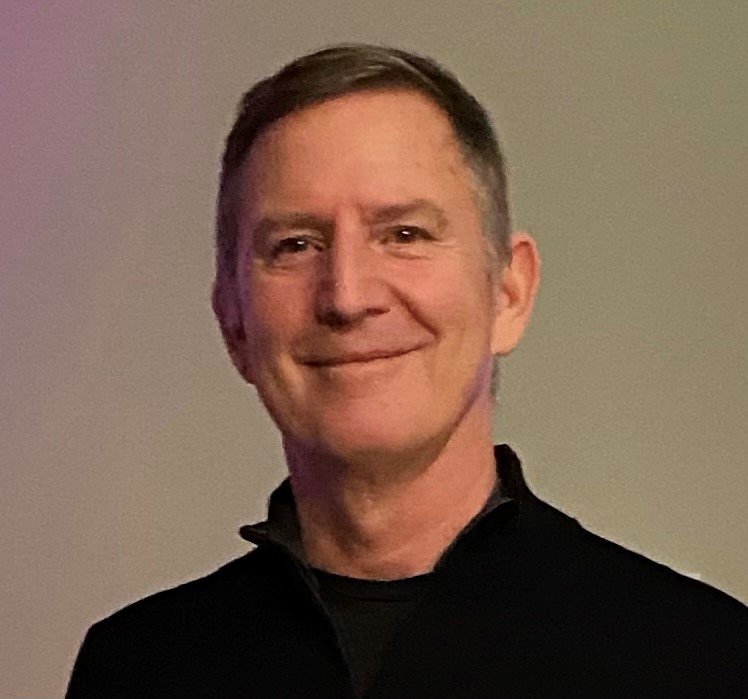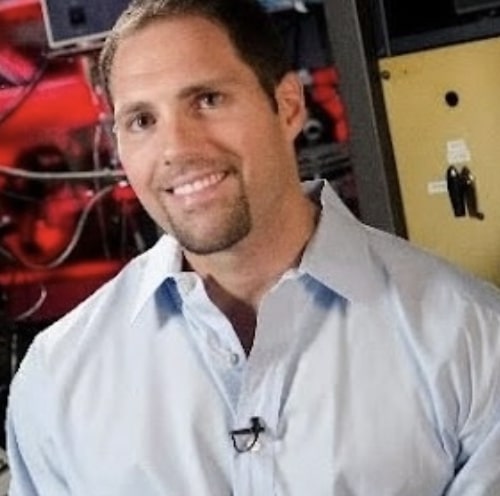
Dominic D’Agostino
Dominic D’Agostino, Ph.D., is a tenured Associate Professor in the Department of Molecular Pharmacology and Physiology at the University of South Florida (USF) Morsani College of Medicine and a Research Scientist at the Institute for Human and Machine Cognition (IHMC) with a background in nutrition, neuroscience, molecular pharmacology, and physiology. Through multiple Department of Defense (DoD) and Office of Naval Research (ONR) grants he develops and tests metabolic countermeasures to enhance safety, performance and resilience of military personnel. He participated as a research scientist and crew member on NASA’s Extreme Environment Mission Operations 22 (NEEMO 22) and continues to work closely with federal organizations (ONR, DoD, DARPA, VA), private industry, and 501c3 foundations. He has done a TEDx Tampa Bay talk and over 200 podcasts, including with Tim Ferriss, Rhonda Patrick, and Joe Rogan (#994, #1176).
Dr. D’Agostino’s academic career has focused on conducting over two decades of DOD-funded research, serving on DOD and VA grant review study sections, teaching hundreds of PhD, MS, and MD students, and discussing this topic in hundreds of media interviews.
Awards (10 total)
- 2005: Best Clinically Related Presentation, Undersea and Hyperbaric Medicine Society (UHMS)
- 2014: Allentown High School Hall of Fame Lifetime Achievement Award
- 2019: National Academy of Inventors (NAI) Senior Member Award
Number of publications
90 Peer-Reviewed Publications; 15 Book Chapters; 190 Published Abstracts
Years of Clinical Experience & Estimated Number of Patients Treated
Principal Investigator (PI, or Co-I) on seven IRB-approved clinical research protocols with USF, NASA, ONR, NAVSEA, DARPA, IHMC, and Levels Health. This research focused on metabolic health outcomes and collectively involves data published and/or collected from over 10,000 subjects.
More experts
Bret Scher,
MD, FACC

Maya E. Maroto,
EdD, MPH, RD
Tracy Gertler,
MD, PhD