

Youth Mental Health: Toxic Roots and Metabolic Solutions
Toxic Roots: The Unseen Forces Rewiring a Generation
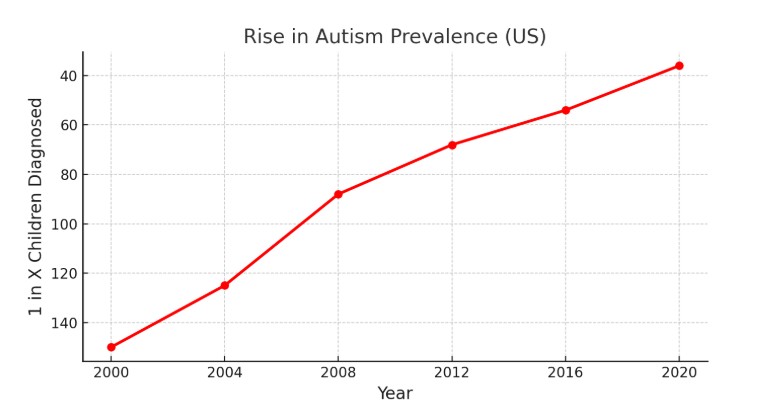
Today’s children stand at the intersection of an unprecedented storm—a toxic convergence reshaping their brains, behaviors, and bodies. Autism, once considered rare, is now diagnosed in one in every thirty-six children in the United States—a staggering rise that simply cannot be explained by genetics alone [1]. Behind the veil of diagnostic inflation and industry-driven categorization, a far more insidious picture emerges: environmental toxicity, systemic nutritional collapse, addictive technologies, and metabolic destruction have fused into a perfect storm.
Invisible Toxins, Visible Damage
Start before birth. Prenatal exposure to organophosphate pesticides like chlorpyrifos causes measurable decreases in children’s IQ, cognitive processing, and emotional regulation [4]. In utero, these chemicals infiltrate the developing nervous system, leaving permanent fingerprints on the brain. By age three, children exposed prenatally to these agents demonstrate more behavioral problems and lower cognitive scores, setting the stage for lifelong neurological consequences [4,12].
It doesn’t stop there. Glyphosate, the most widely used herbicide in the world, damages the microbiome, the hub of gut-brain signaling critical to mood and cognition [5,18]. The gut is not a passive organ—it is a command center, producing neurotransmitters, modulating inflammation, and regulating metabolic function. When this system is disrupted, the fallout extends far beyond digestion. Studies show glyphosate exposure may contribute to dysbiosis, neuroinflammation, and ultimately conditions like autism and anxiety [5,18].
The truth? These are not fringe concerns. In fact, pesticides now rank among the most concerning developmental neurotoxicants, alongside mercury and lead [11].
Food as Fuel—or Fire
Children today are not just surrounded by toxins—they’re consuming them. Ultra-processed foods dominate the modern child’s diet, flooding their bodies with sugar, artificial additives, and inflammatory seed oils [3,13]. These foods aren’t just unhealthy—they’re metabolically devastating and neurologically addictive, initiating in utero, with maternal insulin resistance and gestational diabetes.
In a landmark inpatient study, participants eating ultra-processed diets consumed over 500 additional calories per day—not because they were hungry, but because these foods hijack the brain’s reward system [3]. These “Frankenfoods” are engineered for compulsion, triggering dopamine surges that resemble substance addiction [22]. When kids crave Goldfish crackers like a drug, it’s not by accident. It’s by design.
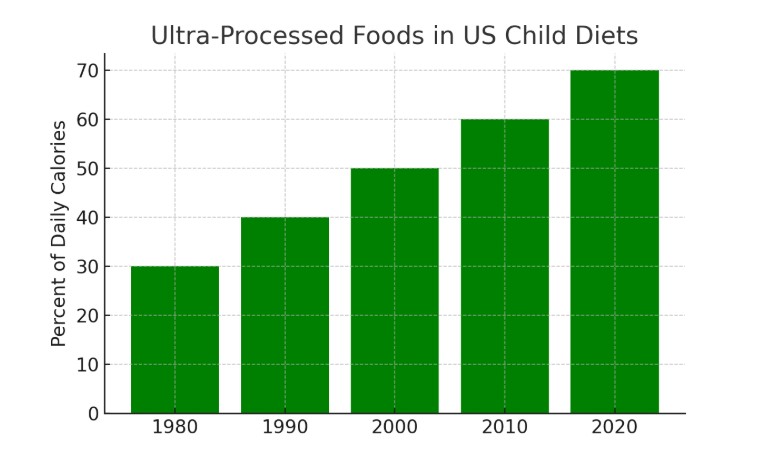
But there’s more. Ultra-processed diets create a double burden—promoting obesity while simultaneously causing micronutrient deficiencies in zinc, magnesium, and omega-3 fatty acids, nutrients critical to mood, attention, and brain development [13,16,19]. Malnourished brains struggle to focus, self-regulate, and adapt. The result? A surge in ADHD, mood instability, and emotional fragility.
And the gut pays the price. A highly processed, fiberless diet feeds inflammatory microbes, while starving beneficial bacteria. In children with autism, gastrointestinal symptoms are disproportionately common, suggesting the gut-brain axis is not a theoretical link—it’s a biological fact [10].
Inflammation: The Hidden Puppet Master
At the center of this metabolic chaos is chronic low-grade inflammation. Once reserved for infectious disease, inflammation is now recognized as a central player in depression, anxiety, and neurodevelopmental disorders [23,27].
Inflammation doesn’t just occur in the body—it targets the brain. Proinflammatory cytokines cross the blood-brain barrier, altering neurotransmitter synthesis, impairing synaptic plasticity, and reducing neurogenesis. In short? Inflammation steals our children’s ability to feel joy, stay calm, and focus.
And what drives this inflammatory onslaught? You guessed it: environmental toxins, processed diets, emotional stress, and sleep disruption. Add all four together, and you’ve got the perfect biochemical storm.
Digital Addiction: Rewiring the Brain for Chaos
Layer on one more invisible toxin—technology.
Screens have crept into every crevice of childhood, masquerading as educational tools while stealing sleep, attention, and psychological resilience. The neuroscience is sobering: MRI scans of adolescents addicted to the internet reveal structural brain damage in regions responsible for emotion regulation and impulse control—mirroring drug addiction [6,7].
Even modest screen use (more than one hour per day) correlates with lower emotional stability, reduced self-control, and diminished life satisfaction [20]. Excessive digital exposure impairs language development, delays literacy, and stunts the architecture of the developing brain [25].
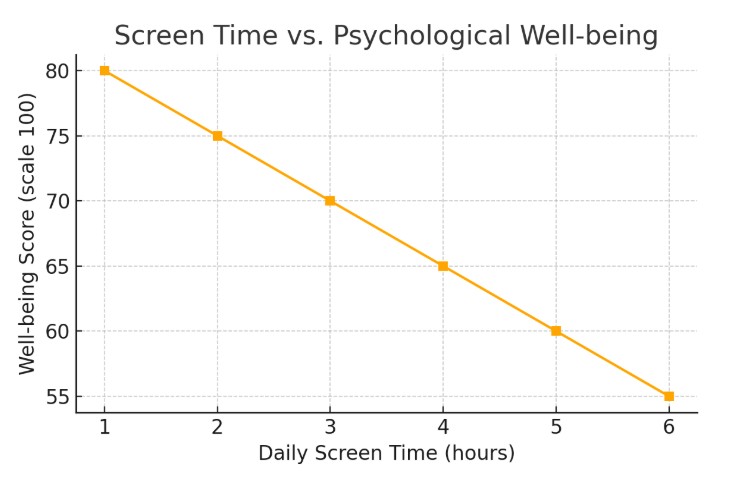
And it doesn’t just affect the mind—it affects the metabolism. Increased screen time is directly associated with higher BMI, reduced sleep quality, and altered circadian rhythms, contributing to insulin resistance and weight gain [15].
Our children are not wired for this digital saturation. But their brains are being rewired by it anyway.
Overdiagnosed and Overmedicated
Meanwhile, psychiatry has attempted to label and medicate the fallout.
Diagnoses like ADHD and autism have ballooned, while the DSM’s expanding criteria—heavily influenced by pharmaceutical interests—have blurred the lines between pathology and normal childhood variation [2,21,28]. Nearly 70% of DSM-5 committee members had financial ties to industry [2], raising deep concerns about objectivity and conflict of interest.
In parallel, psychotropic medications are now standard in American youth. A child in the U.S. is far more likely to be medicated than in Europe—despite scant evidence for long-term benefit and growing concern about side effects [8,9]. Methylphenidate (Ritalin) shows moderate short-term improvements in ADHD symptoms, but comes with a high rate of adverse events and unknown long-term impact on the developing brain [9].
These medications may offer temporary relief—but they are not a substitute for addressing underlying metabolic and environmental dysfunction.
Trauma and Toxic Stress: The Final Blow
Then come the psychosocial hits. Adverse childhood experiences—abuse, neglect, or chronic stress—don’t just shape emotions. They alter brain structure itself [30]. Maltreated children show reduced volume in the hippocampus and prefrontal cortex—regions crucial for memory, regulation, and resilience [30].
And these vulnerabilities are compounded by everything else we’ve discussed. A child already inflamed, poorly nourished, digitally overstimulated, and biochemically dysregulated is far more vulnerable to the effects of trauma, bullying, and isolation.
This is the crisis hiding in plain sight.
The Metabolic-Mental Health Spiral
Let’s be clear: the brain and body are not separate entities. Metabolic dysfunction drives mental illness, and mental stress drives metabolic breakdown. In children, this feedback loop is especially vicious. Poor diet triggers inflammation, which alters mood. Inflammation impairs sleep, which worsens insulin sensitivity. Insulin resistance disrupts neurotransmitters, fueling anxiety and irritability. And so it continues.
The result? A generation struggling with mood instability, focus deficits, social disconnection, and poor metabolic health—long before adulthood.
Solutions: Rooted in Simplicity
But here’s the hopeful truth: when we nourish the roots, the brain blooms.
Simple, science-based interventions can begin to reverse course. Reducing ultra-processed foods, reintroducing fermented and whole foods, and prioritizing micronutrient sufficiency dramatically improve metabolic and mental resilience [16,24,29]. Studies show that fermented foods can restore gut microbial diversity, enhance mood regulation, and even lower social anxiety [29]. Emerging case studies and clinical trials of low-carb ketogenic diets, which rewire the brain’s metabolism, are showing promise for preventing and reversing even intractable mental illnesses like Bipolar Disorder.
Policy-level solutions—such as taxing sugar-sweetened beverages—are already showing promise in reducing the burden of obesity and depression [14]. Advocacy efforts targeting pesticide reduction, cleaner school food policies, dietary guidelines that reduce overall carbohydrates and increase healthy fats, and screen-time limits are no longer optional. They are survival strategies.
Reclaiming Childhood
The path forward requires radical clarity: today’s mental health crisis is not simply a matter of genes or poor parenting. It’s the predictable consequence of a toxic environment colliding with vulnerable biology.
Our children are canaries in the coal mine. Their rising rates of obesity, anxiety, ADHD, autism, and depression are not isolated disorders—they are metabolic distress signals.
And we—parents, physicians, educators, policymakers—hold the power to change the terrain.
It starts with awareness. It continues with action at the root level—food systems, environmental regulation, digital exposure, and metabolic repair. It culminates in a culture shift that values the long-term health of our children over short-term convenience and profit.
These toxic roots run deep. But so does our capacity to restore health, resilience, and hope.
Let’s dig in. Let’s detox the roots. Let’s reclaim this generation’s future—before the damage becomes irreversible.
Metabolic Solutions in Youth Mental Health: A Way Forward
Evidence for Current Metabolic Strategies and Outcomes in Youth Mental Health
Over recent years, emerging evidence indicates that metabolic strategies—such as dietary modifications, structured physical activity, and comprehensive metabolic management—are significantly improving youth mental health outcomes in the United States. These strategies target metabolic dysfunctions commonly seen in youth experiencing mental health disorders, addressing underlying physiological mechanisms such as insulin resistance, inflammation, and obesity.
1. Dietary Interventions
Dietary modifications, particularly ketogenic or low-carbohydrate diets, have gained attention for their beneficial impacts on mental health. A recent study demonstrated that ketogenic diets, characterized by high-fat and low-carbohydrate intake, significantly improved mood stabilization and depressive symptoms, particularly in adolescents with mood disorders such as bipolar disorder. Improvements in metabolic markers correlated closely with enhanced mental health outcomes (1).
2. Physical Activity and Exercise
Physical exercise is consistently linked to improved mental health in adolescents. Engaging youth in regular exercise has resulted in measurable enhancements in cognitive function, reduced anxiety and depression symptoms, and improved overall psychological resilience. These positive outcomes are attributed to exercise-induced neurobiological changes such as reduced inflammation, enhanced insulin sensitivity, and increased neurogenesis (2). Stabilizing energy levels in youth with ketogenic diets, first, can often lead to an increased interest in and capacity for physical movement.
3. Metabolic Monitoring and Management
Routine metabolic screening and management have become essential components of comprehensive care, especially for adolescents prescribed psychotropic medications known to cause weight gain, insulin resistance, and metabolic syndrome. Recent data indicate that consistent implementation of metabolic monitoring protocols leads to early detection and successful management of metabolic risks, translating directly into better mental and physical health outcomes for adolescents (3).
4. Comprehensive Lifestyle and Behavioral Interventions
Integrated lifestyle interventions combining dietary education, physical activity, and behavioral modifications have shown substantial promise. A community-based study demonstrated that adolescents participating in intensive lifestyle behavior programs not only exhibited significant reductions in obesity and improved metabolic parameters but also reported improved mental well-being, enhanced self-esteem, and reduced depressive symptoms (4).
5. Pharmacological and Metabolic Strategies
Innovative pharmacological strategies targeting metabolic pathways have shown early promise. Recent studies have examined medications like semaglutide, which target insulin resistance and obesity, and found that treatment significantly improved psychological outcomes, including reduced suicidal ideation and enhanced overall mood in adolescents with obesity and associated mental health issues (5). However, the safety and efficacy of this class of drugs as long-term pharmacologic metabolic strategies have not been evaluated in youth, and low-carb ketogenic nutrition may be a safer, more viable alternative with equal or better metabolic outcomes.
Conclusion
Collectively, these metabolic strategies represent a powerful shift in youth mental health interventions, addressing root physiological dysfunctions rather than merely managing symptoms. The integration of dietary, lifestyle, and metabolic approaches holds considerable potential for reversing the troubling trends in youth mental health.
Dr. Lori Calabrese, a Harvard trained Connecticut-based psychiatrist, is a new voice in mental health treatment through her groundbreaking work in metabolic psychiatry. Her practice is demonstrating remarkable success in achieving complete remission of depression and anxiety using ketogenic interventions and personalized, whole-food approaches.
Article Reference: Youth Mental Health – ReferencesRelated topics

USDA Dietary Guidelines for Americans


Corporate America