



by Angela Poff, PhD and Victoria Field
Dr. Angela Poff, a researcher at the University of South Florida, is revolutionizing cancer treatment through her groundbreaking work on metabolic-based therapies, particularly exploring the potential of ketogenic diets and hyperbaric oxygen to exploit cancer metabolism and improve patient outcomes.
Victoria Field, co-founder of Metabolic Health Initiative and Metabolic Health Summit, is a force in championing evidence-based education on metabolic health and therapies, bringing together world-renowned experts to advance research and improve human performance across various health conditions.
America the Sick
The United States is experiencing one of the most crippling healthcare crises in modern history. Approximately 90% of American adults are metabolically unhealthy, and fewer than 7% achieve optimal cardiometabolic health2. Metabolic dysfunction is pathologically linked to the development of nearly every major chronic disease facing Americans today, many of which are increasing at an alarming rate3,4. Among these conditions, cancer remains one of the most devastating, affecting both children and adults and placing significant strain not only on patients, but also on their families, surrounding communities, and the healthcare system at large7. In 2024 alone, more than 2 million Americans were expected to be diagnosed with cancer, including nearly 15,000 children and adolescents – globally positioning the U.S. among the top 10 countries with the highest cancer incidence rates8.
The state of cancer in the U.S. threatens the fundamental stability of our healthcare infrastructure which holds one of the highest economic burdens in the world. The cost of cancer care in the U.S. is estimated to reach 246 billion by 20309. Furthermore, cancer survivorship is accompanied by its own set of painful challenges due to side effects from its life-saving treatments. A longitudinal analysis of more than 14,000 childhood cancer survivors showed increased risk of late-onset complications and premature death10. By 50 years of age, half of the cohort had experienced a severe or disabling complication or had died, largely attributable to treatment-related effects. Cancer survivors not only face physiological and psychological challenges but also significant financial burden too – with 25% reporting financial hardship and difficulty paying medical bills11.
Stalled Progress
Five decades ago, President Nixon initiated the “War on Cancer” by signing the National Cancer Act of 1971, with a mission to improve outcomes and advance research. At the time, cancer was the second leading cause of death in the United States. Despite decades of research, trillions of dollars in funding, and significant technological advancements, cancer remains the second leading cause of death.
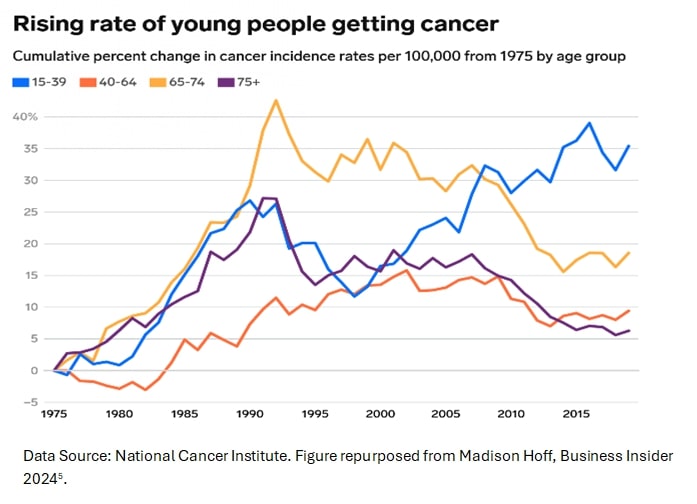
Of great concern, recent data indicate a rise in the incidence of “early-onset” cancers among adolescents and young adults, with gastrointestinal cancers in people under 50 increasing significantly12-14. Additionally, the prevalence of several types of common cancers – including breast, prostate, and pancreatic cancer – has also risen15-17. Half a century after the National Cancer Act was established, cancer continues to have a deadly strong hold on Americans. Global projections suggest it will account for more than 15.3 million deaths annually4 by 2040 and soon become the leading cause of death in the United States18.
Deeper Than DNA
Despite improved early detection and treatment advances, stalled progress in addressing the U.S.’s cancer burden has experts questioning if research priorities need reevaluation. Cancer is a biologically complex and insidious disease and has traditionally been viewed primarily as a genetic disorder wherein spontaneous DNA mutations initiate and drive disease progression19; however, a rapidly growing wealth of data suggests that modifiable lifestyle factors including diet, physical activity, and environmental exposures result in metabolic dysfunction that may be equally or more important in cancer development and progression20. In fact, some research suggests that only 5-10% of cancers are primarily due to genetic defects, while the remaining 90-95% may be attributable to lifestyle and environment1.

Over the past few decades, the Standard American Diet (SAD) has become characterized by excess consumption of processed foods, refined grains, and added sugars which have reached an all-time high. Studies show that nearly 60% of calories in the average American adult’s diet come from ultra-processed foods (UPFs)21. Even more troubling, children and adolescents now consume nearly 70% of their calories from these foods21. UPFs have been associated with more than 32 health conditions, including cancer, and higher consumption has been linked to an increase in all-cause mortality22.
Acquisition of the SAD has been coupled with a switch to a sedentary lifestyle and increased exposure to environmental toxins such as BPA, PFAS, and microplastics, all of which are independently linked to both metabolic disease and cancer risk23-26.
Research indicates that this combination of lifestyle factors leads to metabolic disease and fosters a physiological environment conducive to cancer development. While not unexpected, this connection is under acknowledged in public health communications, which often overstate progress in combating cancer and frame cancer risk as largely attributable to random chance, despite evidence to the contrary. Interestingly, while systemic metabolic disorders such as obesity, insulin resistance, and dyslipidemia elevate cancer risk, dysfunctional metabolism within the cells of the tumor itself—a hallmark of the disease—drives its progression.
The Metabolic Face of Cancer
Over a century ago, scientists first discovered that cancers exhibit an abnormal metabolism characterized by excessive glucose consumption27. Today, researchers understand that the hallmark metabolic dysfunction observed in cancer cells provides energy, signaling intermediaries, and cellular building blocks required to support unbridled growth, suppress immune surveillance, and facilitate metastasis28. In fact, these metabolic features are considered fundamental to cancer initiation, progression, and survival29. Thus, metabolic dysfunction is now known to be both a cause and a consequence of cancer, representing an extremely promising therapeutic target for both cancer prevention and treatment30,31.
Over the last decade, drug-based approaches targeting cancer’s unique metabolic features have yielded novel and promising treatment strategies, but the field has continued to focus on designer pharmaceutical development against affected metabolic pathways32. Indeed, the majority of research in cancer metabolism has overlooked the most accessible and cost-effective lever we possess: reprogramming cellular metabolism through dietary, lifestyle, and environmental modifications.
Consider the ketogenic diet (KD), a high-fat, low-carbohydrate nutritional regimen that has been used clinically for over 100 years to treat refractory epilepsy33. Pre-clinical research dating back to the 1990s has demonstrated its anticancer effects in models of numerous cancer types, including some of the most common and aggressive (brain, colorectal, breast, prostate, lung, liver, gastric, pancreatic, thyroid, and more)34-52. Molecular research has elucidated that this metabolic therapy exerts therapeutic effects through multiple distinct yet simultaneous mechanisms52, including 1) suppression of glucose and insulin signaling53, 2) epigenetic modulation38 via HDACi and BHB-ylation38, 3) anti-inflammatory effects54, and 4) enhanced antitumor immunity39,44,55 through T-cell metabolic reprogramming56,57. Furthermore, research suggests that therapeutic ketosis sensitizes tumors to standard of care therapies including radiation42,58,59, chemotherapy42,43,59-63, and immunotherapy39,44,56,57; preserves muscle function and prevents cancer cachexia46-48,64-66, and improves quality of life measures in patients67. Consider the potential impact of such a broadly functioning therapy in contrast to pharmaceuticals that are designed to target a single genetic pathway, and which have been the primary focus of cancer research for the past several decades.
Despite strong scientific rationale and encouraging preliminary results, very limited funding has been awarded towards progressing early-stage research on ketogenic diet or other lifestyle-focused interventions for cancer into the human trials required to translate such findings into practice6. Notably, if a pharmaceutical intervention demonstrated even a fraction of the preclinical benefits reported in the scientific literature on ketogenic diet for cancer, substantial funding would have been readily allocated to assess its safety and efficacy in large-scale human trials. However, such trials remain lacking for ketogenic approaches, due simply to insufficient financial support for their completion.
Disparity in Funding
Funding disparity is a pervasive problem in oncology. Research on dietary or lifestyle-based interventions for cancer remains critically underfunded 6, a problem rooted in several systemic challenges. Implicit bias within the medical community often dismisses such strategies as “alternative” or insufficiently rigorous compared to pharmacologic approaches68, despite mechanistic evidence that suggests otherwise.
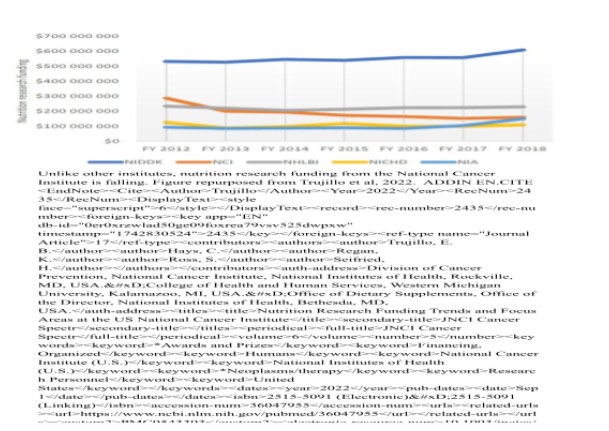
This is compounded by a longstanding research paradigm that prioritizes gene-centric drug development — an approach that aligns with traditional industry and academic incentives but neglects the host of metabolic vulnerabilities in cancer that are exploitable by diet and environmental factors69. Furthermore, oncologists receive minimal formal training in nutrition70, perpetuating a knowledge gap that undermines advocacy for diet trials. Together, these factors create a cycle in which underinvestment stifles high-quality evidence, reinforcing skepticism and hindering the integration of nutrition and other lifestyle-based interventions into mainstream oncology research and practice.
Over the past two decades, revenue generated from cancer drugs by some of the world’s largest pharmaceutical companies has increased by 70%: from 55.8 billion to 95.1 billion71. While these profits have fueled advancements in cancer technology and treatments, the fight against cancer is far from over. Despite preliminary evidence suggesting nutritional and other lifestyle-based metabolic interventions can be both safe and efficacious, such interventions do not hold the same revenue-generating or ROI potential as pharmacological treatments and therefore do not receive meaningful attention or funding from private interests. Thus,the only way that lifestyle-focused cancer research will be supported is through philanthropic and public funding support. Publicly funded scientific research should prioritize the public good, ensuring taxpayer investments directly serve the people through accessible, equitable advancements rather than profit-driven outcomes.
Economic Benefit of Funding Metabolic Therapy
The discovery of an effective, low-cost dietary therapy to prevent, delay, or treat cancer would yield transformative benefits for the U.S. citizenry, government, and healthcare system.
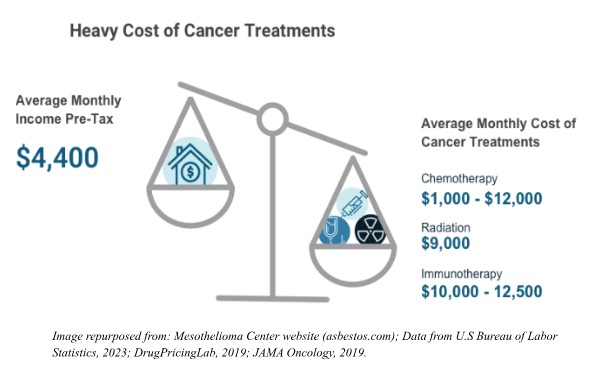
By reducing reliance on expensive pharmaceuticals, radiation, and hospitalizations, such an intervention could dramatically lower the $200+ billion annual cost of cancer care, alleviating strain on Medicare, Medicaid, and private insurers alike72. Even a 10% reduction in cancer burden due to lifestyle-based prevention would garner nearly $25 billion in annual savings. A proactive, prevention-focused approach would curb late-stage disease burden, freeing resources for other healthcare initiatives and reducing productivity losses caused by cancer morbidity and mortality. Additionally, widespread adoption of dietary strategies could mitigate health disparities, as accessible nutritional interventions could reach low-income and rural communities disproportionately impacted by cancer and for whom excessive healthcare costs often fall to state and federal governments. Long-term savings from reduced disability claims and a healthier workforce would bolster economic output while positioning the U.S. as a global leader in cost-effective, patient-centered oncology innovation. By prioritizing focus on safe and efficacious lifestyle-based interventions, such a breakthrough could reshape healthcare paradigms, prioritizing sustainability and equity in ways that benefit both public health and fiscal stability.
Call to Action – Metabolism is the Missing Piece to the Puzzle
Current standard of care strategies (surgery, genomics-targeted chemotherapies, radiation, immunotherapy) save lives but fail to address metabolic dysfunction in both tumors and patients, overlooking a primary driver of disease progression while compromising health and recovery. It is unlikely that major progress in the fight against cancer will be made without addressing the gap in knowledge, education, and research into lifestyle-based therapeutic strategies that target metabolism. It is time to ask if our lack of progress in the “War on Cancer” is due to a failure to address the fundamental issue of metabolic dysfunction in both cancer prevention and treatment.
Lifestyle-based metabolic therapies target core cancer mechanisms in a way that current treatments do not, and warrant exploration as a readily implementable, cost-saving therapeutic tool. However, to advance metabolic oncology, major changes will be required at the federal level – across research, funding, education, and policy. These changes include:
- Increasing federal funding earmarked for research on lifestyle-based metabolic therapies for cancer prevention and treatment, including precision nutrition.
- Reimbursing non-pharmacological interventions like metabolic therapy through healthcare policy reform.
- Incorporating evidence-based nutrition education into medical training and oncology guidelines.
- Updating dietary guidelines and launching educational campaigns to discourage consumption of cancer-linked processed foods, refined carbohydrates, and added sugars.
The time to act is now. The cost–in American lives and national resources–of ignoring evidence-based metabolic tools to prevent and treat cancer is no longer acceptable or sustainable.
References
- Anand, P. et al. Cancer is a preventable disease that requires major lifestyle changes. Pharm Res 25, 2097-2116 (2008). https://doi.org:10.1007/s11095-008-9661-9
- Araujo, J., Cai, J. & Stevens, J. Prevalence of Optimal Metabolic Health in American Adults: National Health and Nutrition Examination Survey 2009-2016. Metab Syndr Relat Disord 17, 46-52 (2019). https://doi.org:10.1089/met.2018.0105
- Boersma, P., Black, L. I. & Ward, B. W. Prevalence of Multiple Chronic Conditions Among US Adults, 2018. Prev Chronic Dis 17, E106 (2020). https://doi.org:10.5888/pcd17.200130
- Cancer Statistics, National Cancer Institute.
- Business_Insider. Charts show a sharp rise in the rate of young adults getting cancer before age 50, 2024).
- Trujillo, E. B., Hays, C., Regan, K., Ross, S. & Seifried, H. Nutrition Research Funding Trends and Focus Areas at the US National Cancer Institute. JNCI Cancer Spectr 6 (2022). https://doi.org:10.1093/jncics/pkac064
- Lim, S. M., Kim, H. C. & Lee, S. Psychosocial impact of cancer patients on their family members. Cancer Res Treat 45, 226-233 (2013). https://doi.org:10.4143/crt.2013.45.3.226
- American_Cancer_Society. Global Cancer Facts & Figures 5th Edition. (www.cancer.gov).
- American_Cancer_Society. The Costs of Cancer 2020 Edition. (www.fightcancer.org).
- Armstrong, G. T. et al. Aging and risk of severe, disabling, life-threatening, and fatal events in the childhood cancer survivor study. J Clin Oncol 32, 1218-1227 (2014). https://doi.org:10.1200/JCO.2013.51.1055
- Centers_for_Disease_Control. Annual Out-of-Pocket Expenditures and Financial Hardship Among Cancer Survivors Aged 18–64 Years — United States, 2011–2016. (www.cdc.gov).
- Santucci, C. et al. Trends in cancer mortality under age 50 in 15 upper-Middle and high-income countries. J Natl Cancer Inst (2024). https://doi.org:10.1093/jnci/djae288
- Patel, S. G., Karlitz, J. J., Yen, T., Lieu, C. H. & Boland, C. R. The rising tide of early-onset colorectal cancer: a comprehensive review of epidemiology, clinical features, biology, risk factors, prevention, and early detection. Lancet Gastroenterol Hepatol 7, 262-274 (2022). https://doi.org:10.1016/S2468-1253(21)00426-X
- Liang, J. et al. Incidence Trends in Upper Gastrointestinal Cancer in Young Adults: A Nationwide Time-Trend Analysis Using 2001-2019 US Cancer Statistics Databases. Am J Gastroenterol (2024). https://doi.org:10.14309/ajg.0000000000003068
- oss, A. et al. Risk factors behind the increase of early-onset cancer in Italian adolescents and young adults: An investigation from the Italian AYA Working group. Eur J Cancer 212, 115042 (2024). https://doi.org:10.1016/j.ejca.2024.115042
- Yale_Medicine. What to Know About Rising Rates of ‘Early-Onset’ Cancer, 2024).
- American_Cancer_Society. 2024—First Year the US Expects More than 2M New Cases of Cancer, 2024).
- Centers_for_Disease_Control. Heart Disease and Cancer Deaths — Trends and Projections in the United States, 1969–2020. (www.cdc.gov, 2016).
- National_Cancer_Institute. The Genetics of Cancer.
- Marino, P. et al. Healthy Lifestyle and Cancer Risk: Modifiable Risk Factors to Prevent Cancer. Nutrients 16 (2024). https://doi.org:10.3390/nu16060800
- Juul, F., Parekh, N., Martinez-Steele, E., Monteiro, C. A. & Chang, V. W. Ultra-processed food consumption among US adults from 2001 to 2018. Am J Clin Nutr 115, 211-221 (2022). https://doi.org:10.1093/ajcn/nqab305
- Wang, L. et al. Trends in Consumption of Ultraprocessed Foods Among US Youths Aged 2-19 Years, 1999-2018. JAMA 326, 519-530 (2021). https://doi.org:10.1001/jama.2021.10238
- Cathey, A. L. et al. Exploratory profiles of phenols, parabens, and per- and poly-fluoroalkyl substances among NHANES study participants in association with previous cancer diagnoses. J Expo Sci Environ Epidemiol 33, 687-698 (2023). https://doi.org:10.1038/s41370-023-00601-6
- Parkinson, L. V., Geueke, B. & Muncke, J. Potential mammary carcinogens used in food contact articles: implications for policy, enforcement, and prevention. Front Toxicol 6, 1440331 (2024). https://doi.org:10.3389/ftox.2024.1440331
- Kassotis, C. D. et al. Endocrine-disrupting chemicals: economic, regulatory, and policy implications. Lancet Diabetes Endocrinol 8, 719-730 (2020). https://doi.org:10.1016/S2213-8587(20)30128-5
- Modica, R., Benevento, E. & Colao, A. Endocrine-disrupting chemicals (EDCs) and cancer: new perspectives on an old relationship. J Endocrinol Invest 46, 667-677 (2023). https://doi.org:10.1007/s40618-022-01983-4
- Warburg, O. On respiratory impairment in cancer cells. Science 124, 269-270 (1956).
- Fukushi, A., Kim, H. D., Chang, Y. C. & Kim, C. H. Revisited Metabolic Control and Reprogramming Cancers by Means of the Warburg Effect in Tumor Cells. Int J Mol Sci 23 (2022). https://doi.org:10.3390/ijms231710037
- Barba, I., Carrillo-Bosch, L. & Seoane, J. Targeting the Warburg Effect in Cancer: Where Do We Stand? Int J Mol Sci 25 (2024). https://doi.org:10.3390/ijms25063142
- Vaupel, P., Schmidberger, H. & Mayer, A. The Warburg effect: essential part of metabolic reprogramming and central contributor to cancer progression. Int J Radiat Biol 95, 912-919 (2019). https://doi.org:10.1080/09553002.2019.1589653
- Gasparre, G., Porcelli, A. M., Lenaz, G. & Romeo, G. Relevance of mitochondrial genetics and metabolism in cancer development. Cold Spring Harbor perspectives in biology 5 (2013). https://doi.org:10.1101/cshperspect.a011411
- Stine, Z. E., Schug, Z. T., Salvino, J. M. & Dang, C. V. Targeting cancer metabolism in the era of precision oncology. Nat Rev Drug Discov 21, 141-162 (2022). https://doi.org:10.1038/s41573-021-00339-6
- Winesett, S. P., Bessone, S. K. & Kossoff, E. H. The ketogenic diet in pharmacoresistant childhood epilepsy. Expert review of neurotherapeutics 15, 621-628 (2015). https://doi.org:10.1586/14737175.2015.1044982
- Weber, D. A.-G., S. Tulipan, J. Catalano, L. Feichtinger, RG. Kofler, B. Ketogenic diet in the treatment of cancer – Where do we stand? Molecular Metabolism (2019). https://doi.org:https://doi.org/10.1016/j.molmet.2019.06.026
- Poff, A. et al. Targeting the Warburg effect for cancer treatment: Ketogenic diets for management of glioma. Semin Cancer Biol (2017). https://doi.org:10.1016/j.semcancer.2017.12.011
- Poff, A. M., Ward, N., Seyfried, T. N., Arnold, P. & D’Agostino, D. P. Non-Toxic Metabolic Management of Metastatic Cancer in VM Mice: Novel Combination of Ketogenic Diet, Ketone Supplementation, and Hyperbaric Oxygen Therapy. PLoS One 10, e0127407 (2015). https://doi.org:10.1371/journal.pone.0127407
- Poff, A. M., Ari, C., Seyfried, T. N. & D’Agostino, D. P. The ketogenic diet and hyperbaric oxygen therapy prolong survival in mice with systemic metastatic cancer. PLoS One 8, e65522 (2013). https://doi.org:10.1371/journal.pone.0065522
- Qin, J. et al. Ketogenic diet reshapes cancer metabolism through lysine beta-hydroxybutyrylation. Nat Metab 6, 1505-1528 (2024). https://doi.org:10.1038/s42255-024-01093-w
- Murphy, S. et al. Ketogenic Diet Alters the Epigenetic and Immune Landscape of Prostate Cancer to Overcome Resistance to Immune Checkpoint Blockade Therapy. Cancer Res 84, 1597-1612 (2024). https://doi.org:10.1158/0008-5472.CAN-23-2742
- Li, J., Zhang, H. & Dai, Z. Cancer Treatment With the Ketogenic Diet: A Systematic Review and Meta-analysis of Animal Studies. Front Nutr 8, 594408 (2021). https://doi.org:10.3389/fnut.2021.594408
- Otto, C. et al. Growth of human gastric cancer cells in nude mice is delayed by a ketogenic diet supplemented with omega-3 fatty acids and medium-chain triglycerides. BMC Cancer 8, 122 (2008). https://doi.org:10.1186/1471-2407-8-122
- Zahra, A. et al. Consuming a Ketogenic Diet while Receiving Radiation and Chemotherapy for Locally Advanced Lung Cancer and Pancreatic Cancer: The University of Iowa Experience of Two Phase 1 Clinical Trials. Radiation research 187, 743-754 (2017). https://doi.org:10.1667/RR14668.1
- Hopkins, B. D. et al. Suppression of insulin feedback enhances the efficacy of PI3K inhibitors. Nature 560, 499-503 (2018). https://doi.org:10.1038/s41586-018-0343-4
- Lussier, D. M. et al. Enhanced immunity in a mouse model of malignant glioma is mediated by a therapeutic ketogenic diet. BMC Cancer 16, 310 (2016). https://doi.org:10.1186/s12885-016-2337-7
- Healy, M. E. et al. Dietary effects on liver tumor burden in mice treated with the hepatocellular carcinogen diethylnitrosamine. J Hepatol 62, 599-606 (2015). https://doi.org:10.1016/j.jhep.2014.10.024
- Nakamura, K., Tonouchi, H., Sasayama, A. & Ashida, K. A Ketogenic Formula Prevents Tumor Progression and Cancer Cachexia by Attenuating Systemic Inflammation in Colon 26 Tumor-Bearing Mice. Nutrients 10 (2018). https://doi.org:10.3390/nu10020206
- Cortez, N. E. et al. A Ketogenic Diet in Combination with Gemcitabine Mitigates Pancreatic Cancer-Associated Cachexia in Male and Female KPC Mice. Int J Mol Sci 24 (2023). https://doi.org:10.3390/ijms241310753
- Beck, S. A. & Tisdale, M. J. Effect of insulin on weight loss and tumour growth in a cachexia model. Br J Cancer 59, 677-681 (1989). https://doi.org:10.1038/bjc.1989.140
- Hao, G. W. et al. Growth of human colon cancer cells in nude mice is delayed by ketogenic diet with or without omega-3 fatty acids and medium-chain triglycerides. Asian Pac J Cancer Prev 16, 2061-2068 (2015). https://doi.org:10.7314/apjcp.2015.16.5.2061
- Mavropoulos, J. et al. The effects of varying dietary carbohydrate and fat content on survival in a murine LNCaP prostate cancer xenograft model. Cancer prevention research (Philadelphia, Pa.) 2, 557-565 (2009). https://doi.org:10.1158/1940-6207.capr-08-0188
- Aggarwal, A., Yuan, Z., Barletta, J. A., Lorch, J. H. & Nehs, M. A. Ketogenic diet combined with antioxidant N-acetylcysteine inhibits tumor growth in a mouse model of anaplastic thyroid cancer. Surgery 167, 87-93 (2020). https://doi.org:10.1016/j.surg.2019.06.042
- Klement, R. J., Champ, C. E., Otto, C. & Kammerer, U. Anti-Tumor Effects of Ketogenic Diets in Mice: A Meta-Analysis. PLoS One 11, e0155050 (2016). https://doi.org:10.1371/journal.pone.0155050
- Sargaco, B., Oliveira, P. A., Antunes, M. L. & Moreira, A. C. Effects of the Ketogenic Diet in the Treatment of Gliomas: A Systematic Review. Nutrients 14 (2022). https://doi.org:10.3390/nu14051007
- Puchalska, P. & Crawford, P. A. Multi-dimensional Roles of Ketone Bodies in Fuel Metabolism, Signaling, and Therapeutics. Cell Metab 25, 262-284 (2017). https://doi.org:10.1016/j.cmet.2016.12.022
- Soldati, L. et al. The influence of diet on anti-cancer immune responsiveness. J Transl Med 16, 75 (2018). https://doi.org:10.1186/s12967-018-1448-0
- Ferrere, G. et al. Ketogenic diet and ketone bodies enhance the anticancer effects of PD-1 blockade. JCI Insight 6 (2021). https://doi.org:10.1172/jci.insight.145207
- Murphy, S. et al. Overcome Prostate Cancer Resistance to Immune Checkpoint Therapy with Ketogenic Diet-Induced Epigenetic Reprogramming. bioRxiv (2023). https://doi.org:10.1101/2023.08.07.552383
- Abdelwahab, M. et al. The ketogenic diet is an effective adjuvant to radiation therapy for the treatment of malignant glioma. PLoS One 7 (2012). https://doi.org:10.1371/journal.pone.0036197
- Allen, B. G. et al. Ketogenic diets enhance oxidative stress and radio-chemo-therapy responses in lung cancer xenografts. Clin Cancer Res 19, 3905-3913 (2013). https://doi.org:10.1158/1078-0432.CCR-12-0287
- Yang, L. et al. Ketogenic diet and chemotherapy combine to disrupt pancreatic cancer metabolism and growth. Med 3, 119-136 (2022). https://doi.org:10.1016/j.medj.2021.12.008
- Mukherjee, P. et al. Therapeutic benefit of combining calorie-restricted ketogenic diet and glutamine targeting in late-stage experimental glioblastoma. Commun Biol 2, 200 (2019). https://doi.org:10.1038/s42003-019-0455-x
- Zhuang, Y., Chan, D. K., Haugrud, A. B. & Miskimins, W. K. Mechanisms by which low glucose enhances the cytotoxicity of metformin to cancer cells both in vitro and in vivo. PLoS One 9, e108444 (2014). https://doi.org:10.1371/journal.pone.0108444
- Morscher, R. J. et al. Combination of metronomic cyclophosphamide and dietary intervention inhibits neuroblastoma growth in a CD1-nu mouse model. Oncotarget 7, 17060-17073 (2016). https://doi.org:10.18632/oncotarget.7929
- Tisdale, M. J., Brennan, R. A. & Fearon, K. C. Reduction of weight loss and tumour size in a cachexia model by a high fat diet. Br J Cancer 56, 39-43 (1987).
- Koutnik, A. P. e. a. Ketone Bodies Attenuate Wasting in Models of Atrophy. Journal of Sarcopenia, Cachexia, and Muscle Epub. (2020).
- Shukla, S. K. et al. Metabolic reprogramming induced by ketone bodies diminishes pancreatic cancer cachexia. Cancer Metab 2, 18 (2014). https://doi.org:10.1186/2049-3002-2-18
- Khodabakhshi, A., Seyfried, T. N., Kalamian, M., Beheshti, M. & Davoodi, S. H. Does a ketogenic diet have beneficial effects on quality of life, physical activity or biomarkers in patients with breast cancer: a randomized controlled clinical trial. Nutr J 19, 87 (2020). https://doi.org:10.1186/s12937-020-00596-y
- Thomas, L. E. How evidence-based medicine biases physicians against nutrition. Med Hypotheses 81, 1116-1119 (2013). https://doi.org:10.1016/j.mehy.2013.10.016
- Mroz, E. A. & Rocco, J. W. The challenges of tumor genetic diversity. Cancer 123, 917-927 (2017). https://doi.org:10.1002/cncr.30430
- Corr, P. G., Hudson, W. & Kalita, N. Cancer Care and Nutrition Counseling: The Role of the Oncologist in Patient Learning and Behavior Change. Glob Adv Integr Med Health 13, 27536130241285029 (2024). https://doi.org:10.1177/27536130241285029
- Meyers, D. E. et al. Trends in drug revenue among major pharmaceutical companies: A 2010-2019 cohort study. Cancer 128, 311-316 (2022). https://doi.org:10.1002/cncr.33934
- Winn, A. N., Ekwueme, D. U., Guy, G. P., Jr. & Neumann, P. J. Cost-Utility Analysis of Cancer Prevention, Treatment, and Control: A Systematic Review. Am J Prev Med50, 241-248 (2016). https://doi.org:10.1016/j.amepre.2015.08.009