


by Dr. Andrew Koutnik
Andrew Koutnik, PhD, is a principal investigator and research faculty at Florida State University’s Institute of Sports Sciences and Medicine, a visiting research scientist at the Florida Institute for Human and Machine Cognition, and a member of the Coalition for Metabolic Health’s Scientific and Clinical Advisory Committee.
“Continuous glucose monitoring (CGM) represents a paradigm shift: by providing real-time, high-resolution data, CGM can detect early perturbations in metabolic function long before irreversible damage occurs and provides the opportunity to transform chronic disease management from a reactive process into a proactive, personalized strategy.”
Background & Scope of Problem
Chronic metabolic diseases now affect a significant portion of the American population. Data from the Centers for Disease Control indicates that over 50% of American adults (≥20 years old) and 18.4% of 12-19 year olds were prediabetic from 2011-2014 with the incidence of type 2 diabetes has risen sharply in recent years1-3. Obesity has more than doubled since 1990 and quadrupled in children in the last 30 years4. Alarmingly, more than 80% of individuals with prediabetes are unaware of their condition5. Traditional diagnostic methods—such as fasting glucose, oral glucose tolerance tests, and HbA1c measurements—are limited in that they capture only single time point data. This means that many individuals with early metabolic dysfunction remain undetected until their disease has progressed to a stage where interventions are less effective and more costly.
The current testing paradigm creates a critical public health gap. With only periodic snapshots available, physicians miss the opportunity for early intervention—allowing metabolic derangements to progress silently into full-blown chronic disease. These challenges underscore the urgent need for a more dynamic and sensitive diagnostic tool.
Promise of Continuous Glucose Monitoring
Continuous glucose monitoring (CGM) technology was first approved for the management of juvenile diabetes over 25 years ago.6 Since its inception, technological improvements have transformed CGM into a cornerstone for managing diabetes7,8 and, more recently, as a tool for detecting early metabolic dysfunction in broader populations.9-18 A recent analysis in over 8000 non-diabetic found that 43% of healthy subjects with fasting glucose in the normal range where discovered to have either prediabetes or diabetes when re-assessed with multi-iday CGM analyses.12
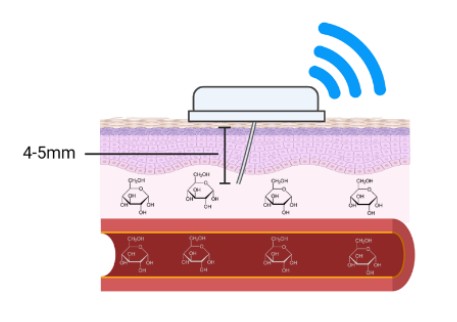
Unlike conventional methods, CGM provides up to 288 times more resolution on metabolic health in a single day than standard laboratory values.19,20 This level of detail is crucial for identifying early, subtle changes in glucose dynamics that indicate the onset of metabolic disease.
Early Detection & High Resolution Data
CGM’s ability to continuously monitor glucose levels throughout the day offers several unique advantages:
- Real-Time Insights: Unlike annual or biannual fasting measurements, CGM tracks dynamic changes in glucose levels over time, capturing responses to meals, exercise, stress, and sleep. This continuous data stream offers a real-time and personalized window into metabolic health.
- High Temporal Resolution: With up to 288 data points per day, CGM can identify trends and patterns that traditional tests miss. This sensitivity enables detection of prediabetic signals at a rate significantly higher than fasting glucose measurements.12
- Precision in Risk Stratification: Early studies involving thousands of individuals have demonstrated that CGM can identify prediabetic conditions more reliably, often flagging risk factors in individuals with normal weight and high fitness capacity—groups that would otherwise be overlooked by standard biomarkers.9,10,12

By detecting even minimal elevations in glucose levels, CGM serves as a powerful early warning system. It can signal the onset of metabolic dysfunction well before clinical symptoms manifest, thereby allowing for prompt, preventative interventions.
Rapid Prevention Through Targeted Interventions
Early detection is only one side of the equation. The power of CGM also lies in its ability to enable rapid, targeted interventions that can reverse or halt the progression of metabolic disease remotely. When prediabetic signals are detected early, lifestyle modifications can be implemented swiftly—often leading to rapid improvements in metabolic markers.9,10,21
Lifestyle Interventions Tailored by CGM Data
Research has shown that timely modifications to diet and exercise can reverse early metabolic dysfunction. For example:
- Nutritional Adjustments: Detailed CGM data allows clinicians and patients to see the immediate effects of dietary changes.22-26 Studies have found that reducing highly processed carbohydrates can completely reverse prediabetic and diabetes,9,21,27,28 even in days.9
- This immediate feedback loop empowers patients to optimize their nutritional intake rapidly.
- Personalized Exercise Regimens: CGM enables the monitoring of glucose responses to various physical activities.29,30 Such data can be used to tailor exercise programs that effectively improve insulin sensitivity and overall metabolic health.31
- Behavioral Modification: The continuous feedback provided by CGM can motivate behavior change32,33 by visually demonstrating the impact of lifestyle adjustments and researchers have demonstrates that CGM can augment lifestyle change and lead to 67% remission of newly diagnosed type 2 diabetes without medications.21 This is crucial in the early prevention of metabolic disease, as patients are more likely to adhere to interventions that yield immediate and measurable results.
When used as part of a comprehensive disease prevention strategy, CGM helps shift the treatment paradigm from reactive to proactive. This strategy not only reduces the individual’s risk of progressing to full-blown type 2 diabetes but also reduces the overall healthcare burden by preventing complications that require costly, long-term management.
Ensuring Optimal, Low-cost, and Safe Therapeutic Interventions
One of the most compelling arguments for the widespread use of CGM is its potential to lower healthcare costs while enhancing patient safety and treatment efficacy.28,34 Traditional methods of chronic disease management often involve multiple laboratory tests, frequent clinical visits, and sometimes invasive procedures, all of which drive up costs. In contrast, CGM offers a non-invasive, cost-effective solution that continuously monitors a critical biomarker.
Cost-Effectiveness and Patient Safety
- Reduced Need for Frequent Laboratory Testing: Continuous data collection minimizes the need for periodic, expensive blood tests, thereby lowering the overall cost of disease management.
- Minimally Invasive Monitoring: By eliminating the need for frequent blood draws, CGM enhances patient comfort and compliance. This is particularly important in vulnerable populations, such as children and the elderly, who may be more sensitive to invasive procedures.
- Enhanced Therapeutic Precision: Real-time monitoring allows for the fine-tuning of therapeutic interventions, ensuring that medications and lifestyle changes are optimized for each patient’s unique metabolic profile. This individualized approach not only improves clinical outcomes but also minimizes the risk of adverse events.21,28,34
- Rapid Response to Adverse Trends: With continuous monitoring, clinicians can quickly detect and respond to any adverse metabolic trends, adjusting treatments promptly to prevent complications.21,28,34
The integration of CGM into chronic disease management can lead to significant cost savings while simultaneously enhancing the safety and efficacy of therapeutic interventions.
Scientific Evidence and Clinical Validation
The efficacy of CGM has been demonstrated in multiple clinical studies. For instance, research involving over 8,000 participants has shown that CGM detects early metabolic dysfunction at rates far exceeding those of traditional fasting glucose tests.12 Furthermore, studies have consistently found that CGM correlates strongly with gold standard measurements of glycemic control and diabetes diagnosis35-38 and CGM measures are more strongly associated with average glucose values than other standard laboratory assessments for detecting diabetes.38,39

These findings support the utility of CGM as not only a diagnostic tool and a means of optimizing treatment.
Recent work by Koutnik and colleagues has underscored the importance of early intervention.9,10 Their research indicates that even among individuals who are physically active and of normal body weight, subtle elevations in glucose levels—detectable only through CGM—can signal the early stages of metabolic disease. In these cases, rapid nutritional interventions, specifically the reduction of highly processed carbohydrates (low carbohydrate high fat; LCHF), have led to dramatic improvements in metabolic markers within days to weeks.9
Oser et al., demonstrated that utilizing CGM to augment lifestyle intervention in newly diagnosed type 2 diabetes led to remission in 67% of participants without the use of exogenous medication demonstrating a remarkable intervention for combating type 2 diabetes without chronic medication use.21 Another analyses of 50 subjects who utilized CGM alongside lifestyle interventions (TOWARD Approach) resulted in 19.5kg weight loss, deprescription of 96 medications with annualized healthcare savings of >$10,000 per patient.28

The evidence is clear: CGM provides a level of detail and immediacy that is essential for the early detection and effective management of chronic metabolic diseases. By leveraging this technology, healthcare providers can intervene at the earliest possible stage, preventing the progression of disease and reducing the long-term burden on the healthcare system.
Policy Implications & Recommendations
In order to transform public health, policymakers must embrace innovative technologies like CGM that offer the dual benefits of early disease detection and rapid intervention. The following policy recommendations are proposed:
- Integrate CGM into Standard Preventive Care: Encourage healthcare providers to adopt CGM as a routine screening tool for populations at risk of metabolic disease. This integration should include reimbursement strategies that make CGM accessible to all segments of the population.
- Invest in Research and Development: Increase federal funding for research into continuous metabolite monitoring technologies. Future innovations could expand beyond glucose to include other metabolic biomarkers, further enhancing our ability to detect and manage chronic diseases.
- Implement Public Health Campaigns: Launch nationwide educational campaigns to raise awareness about the benefits of early metabolic monitoring. These campaigns should target both healthcare providers and the general public, emphasizing the role of CGM in preventing chronic disease.
- Facilitate Cross-Sector Collaboration: Foster partnerships between government agencies, academic institutions, and the private sector to streamline the integration of CGM data into broader healthcare systems. Such collaborations can accelerate the translation of real-time data into actionable insights for both clinicians and patients.
By adopting these measures, the federal government can drive a transformative shift in chronic disease management—reducing the incidence of advanced metabolic dysfunction and lowering healthcare costs through early, effective intervention.
Conclusion
The adoption of CGM technology promises to bridge the gap between early detection and effective intervention. This approach offers a tangible path toward reducing the prevalence and impact of chronic metabolic diseases, ultimately leading to improved health outcomes and a more sustainable healthcare system for future generations.
References
- Inoue K, Liu M, Aggarwal R, Marinacci LX, Wadhera RK. Prevalence and Control of Diabetes Among US Adults, 2013 to 2023. JAMA 2025.
- In: Cowie CC, Casagrande SS, Menke A, et al., eds. Diabetes in America. 3rd ed. Bethesda (MD); 2018.
- Echouffo-Tcheugui JB, Selvin E. Prediabetes and What It Means: The Epidemiological Evidence. Annu Rev Public Health 2021; 42: 59-77.
- Organization WH. Obesity and overweight, 2025.
- Prevention CfDCa. National Diabetes Statistics Report. Atlanta, GA; 2022.
- Hirsch IB. Introduction: History of Glucose Monitoring. Role of Continuous Glucose Monitoring in Diabetes Treatment. Arlington (VA); 2018: 1.
- Didyuk O, Econom N, Guardia A, Livingston K, Klueh U. Continuous Glucose Monitoring Devices: Past, Present, and Future Focus on the History and Evolution of Technological Innovation. J Diabetes Sci Technol 2021; 15(3): 676-83.
- Battelino T, Alexander CM, Amiel SA, et al. Continuous glucose monitoring and metrics for clinical trials: an international consensus statement. Lancet Diabetes Endocrinol 2023; 11(1): 42-57.
- Prins PJ, Noakes TD, Buga A, et al. Low and High Carbohydrate Isocaloric Diets on Performance, Fat Oxidation, Glucose and Cardiometabolic Health in Middle Age Athletes. Front Nutr 2023.
- Noakes TD, D’Agostino DP, Volek JS, Prins PJ, Koutnik AP. The effect of the low-carbohydrate high-fat (LCHF) diet on the crossover point during exercise of increasing intensity. Front Physiology 2023.
- Keshet A, Shilo S, Godneva A, et al. CGMap: Characterizing continuous glucose monitor data in thousands of non-diabetic individuals. Cell Metab 2023; 35(5): 758-69 e3.
- Shilo S, Keshet A, Rossman H, et al. Continuous glucose monitoring and intrapersonal variability in fasting glucose. Nat Med 2024; 30(5): 1424-31.
- Kruger DF, Anderson JE. Continuous Glucose Monitoring (CGM) Is a Tool, Not a Reward: Unjustified Insurance Coverage Criteria Limit Access to CGM. Diabetes Technol Ther 2021; 23(S3): S45-S55.
- Pratley RE, Kanapka LG, Rickels MR, et al. Effect of Continuous Glucose Monitoring on Hypoglycemia in Older Adults With Type 1 Diabetes: A Randomized Clinical Trial. JAMA 2020; 323(23): 2397-406.
- van Beers CAJ, DeVries JH, Kleijer SJ, et al. Continuous glucose monitoring for patients with type 1 diabetes and impaired awareness of hypoglycaemia (IN CONTROL): a randomised, open-label, crossover trial. The Lancet Diabetes & Endocrinology 2016; 4(11): 893-902.
- MILLER E, BRANDNER L, WRIGHT E, JR. 84-LB: HbA1c Reduction after Initiation of the FreeStyle Libre System in Type 2 Diabetes Patients on Long-Acting Insulin or Noninsulin Therapy. Diabetes 2020; 69(Supplement_1).
- WRIGHT E, JR., KERR MSD, REYES IJ, NABUTOVSKY Y, MILLER E. 78-LB: HbA1c Reduction Associated with a FreeStyle Libre System in People with Type 2 Diabetes Not on Bolus Insulin Therapy. Diabetes 2020; 69(Supplement_1).
- Holzer R, Bloch W, Brinkmann C. Continuous Glucose Monitoring in Healthy Adults-Possible Applications in Health Care, Wellness, and Sports. Sensors (Basel, Switzerland) 2022; 22(5).
- Teo E, Hassan N, Tam W, Koh S. Effectiveness of continuous glucose monitoring in maintaining glycaemic control among people with type 1 diabetes mellitus: a systematic review of randomised controlled trials and meta-analysis. Diabetologia 2022; 65(4): 604-19.
- Garg SK, Kipnes M, Castorino K, et al. Accuracy and Safety of Dexcom G7 Continuous Glucose Monitoring in Adults with Diabetes. Diabetes Technol Ther 2022; 24(6): 373-80.
- Oser TK, Cucuzzella M, Stasinopoulos M, Moncrief M, McCall A, Cox DJ. An Innovative, Paradigm-Shifting Lifestyle Intervention to Reduce Glucose Excursions With the Use of Continuous Glucose Monitoring to Educate, Motivate, and Activate Adults With Newly Diagnosed Type 2 Diabetes: Pilot Feasibility Study. JMIR Diabetes 2022; 7(1): e34465.
- Wing RR, Phelan S. Long-term weight loss maintenance. Am J Clin Nutr 2005; 82(1 Suppl): 222s-5s.
- Casal S, DellaValle N, Mittone L, Soraperra I. Feedback and efficient behavior. PLoS One 2017; 12(4): e0175738.
- Barnard KD, Kropff J, Choudhary P, et al. Acceptability of Implantable Continuous Glucose Monitoring Sensor. J Diabetes Sci Technol 2018; 12(3): 634-8.
- Cook SW, Berrenberg JL. Approaches to encouraging conservation behavior: A review and conceptual framework. Journal of Social Issues 1981; 37(2): 73-107.
- Bilodeau EA, Bilodeau IM. Variable frequency of knowledge of results and the learning of a simple skill. J Exp Psychol 1958; 55(4): 379-83.
- Goldenberg JZ, Day A, Brinkworth GD, et al. Efficacy and safety of low and very low carbohydrate diets for type 2 diabetes remission: systematic review and meta-analysis of published and unpublished randomized trial data. BMJ 2021; 372: m4743.
- Buchanan L, Calkins M, Kalayjian T, et al. TOWARD, a metabolic health intervention, demonstrates robust 1-year weight loss and cost-savings through deprescription. Front Nutr 2025; 12: 1548609.
- Skroce K, Zignoli A, Fontana FY, et al. Real World Interstitial Glucose Profiles of a Large Cohort of Physically Active Men and Women. Sensors (Basel) 2024; 24(3).
- Bowler AM, Whitfield J, Marshall L, Coffey VG, Burke LM, Cox GR. The Use of Continuous Glucose Monitors in Sport: Possible Applications and Considerations. Int J Sport Nutr Exerc Metab 2023; 33(2): 121-32.
- Riddell MC, Turner LV, Patton SR. Is There an Optimal Time of Day for Exercise? A Commentary on When to Exercise for People Living With Type 1 or Type 2 Diabetes. Diabetes Spectr 2023; 36(2): 146-50.
- Liao Y, Basen-Engquist KM, Urbauer DL, Bevers TB, Hawk E, Schembre SM. Using Continuous Glucose Monitoring to Motivate Physical Activity in Overweight and Obese Adults: A Pilot Study. Cancer Epidemiology Biomarkers & Prevention 2020; 29(4): 761.
- Liao Y, Schembre S. Acceptability of Continuous Glucose Monitoring in Free-Living Healthy Individuals: Implications for the Use of Wearable Biosensors in Diet and Physical Activity Research. JMIR Mhealth Uhealth 2018; 6(10): e11181.
- Manov AE, Chauhan S, Dhillon G, et al. The Effectiveness of Continuous Glucose Monitoring Devices in Managing Uncontrolled Diabetes Mellitus: A Retrospective Study. Cureus 2023; 15(7): e42545.
- Bergenstal RM, Beck RW, Close KL, et al. Glucose Management Indicator (GMI): A New Term for Estimating A1C From Continuous Glucose Monitoring. Diabetes Care 2018; 41(11): 2275-80.
- Valenzano M, Cibrario Bertolotti I, Valenzano A, Grassi G. Time in range-A1c hemoglobin relationship in continuous glucose monitoring of type 1 diabetes: a real-world study. BMJ Open Diabetes Res Care 2021; 9(1).
- Hirsch IB, Welsh JB, Calhoun P, Puhr S, Walker TC, Price DA. Associations between HbA(1c) and continuous glucose monitoring-derived glycaemic variables. Diabet Med 2019; 36(12): 1637-42.
- Chehregosha H, Khamseh ME, Malek M, Hosseinpanah F, Ismail-Beigi F. A View Beyond HbA1c: Role of Continuous Glucose Monitoring. Diabetes Ther 2019; 10(3): 853-63.
- Beyond ACWG. Need for Regulatory Change to Incorporate Beyond A1C Glycemic Metrics. Diabetes Care 2018; 41(6): e92-e4.